


How to Find Chords in a Song: A Clear Guide for Guitar and Piano
If you want to know how to find chords in a song, you are not alone. Many players learn faster when they can name the harmony behind a melody. In practice, you can combine listening skills, simple theory, and modern tools to get reliable results.
Some people also ask how to determine the chords of a song or how to figure out chords for a song. These questions describe the same goal: turn what you hear into chord names you can play and share.
What Does “How to Find Chords in a Song” Really Mean?
How to find chords in a song means identifying which harmony fits each section of the recording. You are not guessing random shapes. Instead, you are matching bass movement, melody notes, and harmonic color to standard chord symbols.
When you learn how to determine the chords of a song, you also decide the key, notice repeating patterns, and separate verse from chorus. As a result, practice becomes more organized and less frustrating.
Why Learning How to Find Chords in a Song Matters
1) Faster Practice Sessions
When harmony is clear, you spend less time searching for the next change. Therefore, you can focus on timing, tone, and expression.
2) Better Collaboration
Bands and teachers need a shared chart. If everyone knows how to figure out chords for a song at a basic level, rehearsals run smoother.
3) Stronger Musical Ear
Even when you use tools, you still train your listening. In addition, you learn to notice bass roots and chord quality over time.
Main Ways to Find Chords in a Song
- By ear: Find the bass note, hum the harmony, and test triads or seventh chords on your instrument.
- With reference audio: Slow the track, loop short sections, and compare chord shapes until the sound locks in.
- With chord charts or tabs: Use trusted sources, then verify a few key moments against the recording.
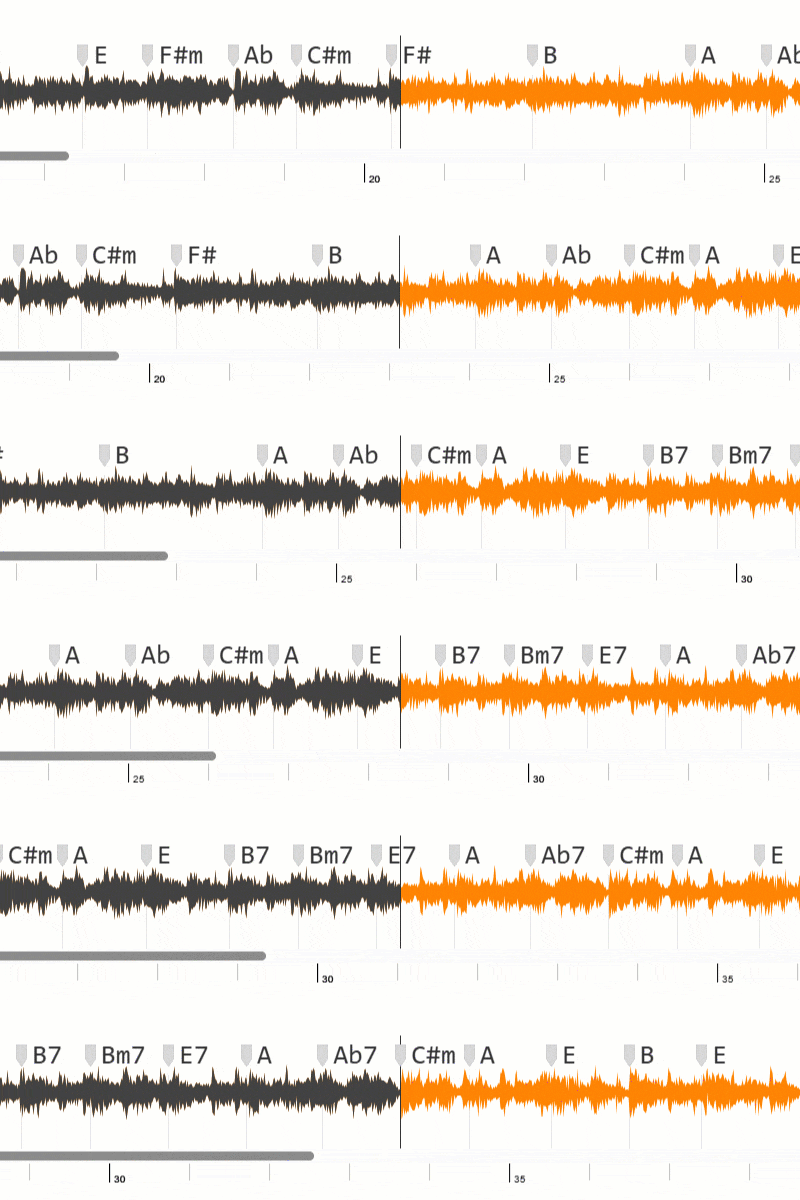
- With chord recognition software: Upload audio or paste a link to get a draft progression you refine by ear.
Each method has strengths. Often, the best workflow mixes two approaches: a quick draft plus careful listening.
Step-by-Step: How to Find Chords in a Song
Step 1: Find the Key and Tonal Center
First, listen for where the music feels stable. Next, notice which note or chord sounds like “home.” That starting point makes it easier when you need how to determine the chords of a song in real time.
Step 2: Map the Bass Line
Then, follow the lowest notes. Often, the bass outlines roots and helps you label each change. Meanwhile, mark sections that repeat so you do not relearn the same pattern twice.
Step 3: Test Chord Quality
After you know the roots, decide if chords are major, minor, diminished, or extended. In other words, match the mood you hear, not only the letter name.
Step 4: Use a Tool as a Draft (Optional)
If you want speed, chord recognition can suggest a progression. However, treat it as a starting point. Finally, confirm transitions on guitar, piano, or ukulele before you trust the chart fully.
Common Mistakes When You Try to Find Chords in a Song
Mistake 1: Ignoring the Bass
The highest guitar part can mislead you. So, anchor your analysis with the low register first.
Mistake 2: Confusing Similar Chords
Some progressions share notes between neighboring chords. Often, small listening checks fix big errors.
Mistake 3: Skipping Section Labels
If you want a clean chart, label intro, verse, chorus, and bridge. Consequently, how to figure out chords for a song becomes easier for future practice.
Who Benefits Most from Knowing How to Find Chords in a Song?
- Beginners who want a simple roadmap before advanced theory.
- Intermediate players building repertoire and ear training.
- Teachers who need clear examples for lessons.
- Cover musicians who must match the original harmony.
- Songwriters who study other tracks for inspiration.
Final Thoughts
Overall, how to find chords in a song is a skill you build with patience. Whether you focus on how to determine the chords of a song by ear or use how to figure out chords for a song with a mix of tools and listening, the goal is the same: accurate harmony that supports your playing.
If you verify each section carefully, your charts become more reliable, your practice becomes more focused, and your confidence grows with every song you finish.